Saturday, April 12, 2014
Friday, April 4, 2014
Bunnies
Being nocturnal, the female bunnies nurse their litters at night or in
the early morning hours. As long as the litter remains together, all get
fed. But as the youngsters become older and begin to leave the nest,
the doe will nurse only those she chooses-either those out of the nest
of those remaining in the nest. The young begin to leave the nest when
14 or 15 days old. The condition of the young is a good index of the
mother's milk capacity. If the young begin leaving the nest sooner than
this, they may not be getting sufficient milk from the mother or the
temperature within the nest may be too warm. By eight weeks of age, the
young are eating well on their own and removed from the doe's cage.
Removing the young at this time gives the doe a short rest between
litters. If she was rebred when the litter was six weeks of age, she
will be pregnant and ready for a rest between litters. When maintaining a
tight breeding schedule, such as in commercial operations where does
produce seven or eight litter per year, the doe is bred when the young
are 14 days old; the litter is removed from the doe's cage at six weeks
of age. The young rabbits are weighed, and the rapid growers are saved
for future breeders, while the slower, underweight individuals are
culled. The ideal is to produce litters in which all of the young are
close in weight gain. By the time rabbits are three months old, they
should be caged separately to prevent fighting and premature breeding.
It is never advisable to keep young that are slow developers for future
breeders, or from does that proved to dirty housekeepers, poor milkers,
or of poor temperament. These traits will only carry on through the line
in some degree.
~Joanna~
~Joanna~
Monday, March 24, 2014
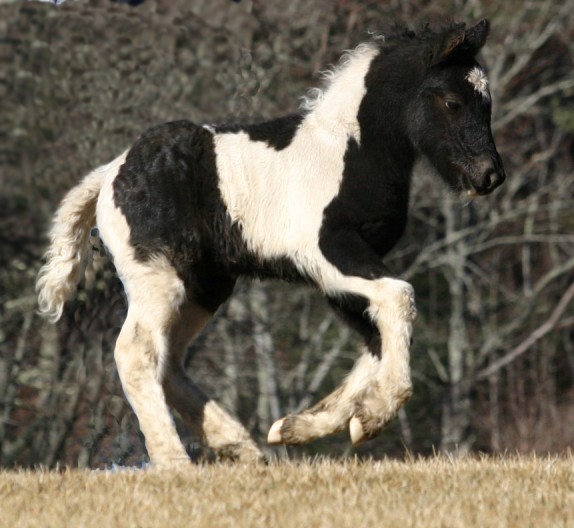
Feeding horse
Here is some information about taking care of horses
Feeding horses to enable them to perform at their best, and to maintain condition regardless of the environment, requires a careful balance of the right foods, The horse is a herbivore and as such is never happier than when eating grass, which should be its main source of food whenever possible.
Correct feeding generally requires the advice of an experienced professional. However, there are certain rules relative to feeding, which every caring horse person should know. Observation of these will help to minimize any problems. it is important not to overfeed your horse or pony. Apart from becoming to fat, the animal may become over-fresh and rank, and start to suffer from health problems because of the nutritional imbalance. Obesity is a prime cause is laminitis, a disease of the foot that causes intense pain. Observe your horse and note whether it is putting on or losing weight, and act to keep it healthy for the type of work it is doing. Remember that while the weight of the horse is the basic determining factor in the quantities of feed required, breeding, temperament, condition, and type of work are important considerations as well. Horses have very mall stomachs. In the wild they would have spent around 18 hours a day picking and grazing at will, which enabled the food to "trickle" through the gut. If the stomach is overloaded, the food is pushed through too fast to be digested properly, and this can lead to health problems, such as colic (stomach ache), swollen legs, and skin rashes. Being a herbivore, the horse's most natural feed is grass. If the horse is not out to pasture, it should be fed hay. The more roughage the horse has the happier it will be. It is this fiber that stimulates the gut work efficiently. Grass contains not only roughage but also essential moisture (70-80 percent water). Turn your horse out daily if you can. If you can't feed succulents such as carrots to make up for it. If your horse cannot be kept out to pasture you will need to work out how much feed it will need, such as hay and concentrates (which are pure oats, barley, or maize).
~Joanna~
Feeding horses to enable them to perform at their best, and to maintain condition regardless of the environment, requires a careful balance of the right foods, The horse is a herbivore and as such is never happier than when eating grass, which should be its main source of food whenever possible.
Correct feeding generally requires the advice of an experienced professional. However, there are certain rules relative to feeding, which every caring horse person should know. Observation of these will help to minimize any problems. it is important not to overfeed your horse or pony. Apart from becoming to fat, the animal may become over-fresh and rank, and start to suffer from health problems because of the nutritional imbalance. Obesity is a prime cause is laminitis, a disease of the foot that causes intense pain. Observe your horse and note whether it is putting on or losing weight, and act to keep it healthy for the type of work it is doing. Remember that while the weight of the horse is the basic determining factor in the quantities of feed required, breeding, temperament, condition, and type of work are important considerations as well. Horses have very mall stomachs. In the wild they would have spent around 18 hours a day picking and grazing at will, which enabled the food to "trickle" through the gut. If the stomach is overloaded, the food is pushed through too fast to be digested properly, and this can lead to health problems, such as colic (stomach ache), swollen legs, and skin rashes. Being a herbivore, the horse's most natural feed is grass. If the horse is not out to pasture, it should be fed hay. The more roughage the horse has the happier it will be. It is this fiber that stimulates the gut work efficiently. Grass contains not only roughage but also essential moisture (70-80 percent water). Turn your horse out daily if you can. If you can't feed succulents such as carrots to make up for it. If your horse cannot be kept out to pasture you will need to work out how much feed it will need, such as hay and concentrates (which are pure oats, barley, or maize).
~Joanna~
Saturday, March 22, 2014
Hello
Hello and welcome to my blog
I am really excited to start blogging! Here are a few things about me
I love to bake, go horseback riding, Rollerblade, ice skateing, playing the piano, playing with babies,
swimming, singing, reading books, reading my bible, jumping on the trampoline and playing bored games.
Thanks for stopping by.
~Joanna~
I am really excited to start blogging! Here are a few things about me
I love to bake, go horseback riding, Rollerblade, ice skateing, playing the piano, playing with babies,
swimming, singing, reading books, reading my bible, jumping on the trampoline and playing bored games.
Thanks for stopping by.
~Joanna~
Subscribe to:
Posts (Atom)